Built-in vs. Freestanding Appliances: Which One Should You Choose?
Choosing between built-in and freestanding appliances is one of the most consequential decisions you will make when designing or upgrading your kitchen. The wrong choice can cost you thousands in wasted installation work, eat into your available floor space, or leave your kitchen looking fragmented and disjointed. The right choice, on the other hand, can transform your kitchen into a functional, visually stunning space that adds real value to your home.
So how do you decide? The debate around built-in vs. freestanding appliances comes down to your budget, your space, your lifestyle, and how long you plan to stay in your home. This guide breaks down everything you need to know from upfront costs and installation logistics to long-term durability and maintenance, so you can make a confident, informed decision.
What Are Built-in Appliances?
Built-in appliances, also called integrated appliances, are units specifically engineered to be embedded within your kitchen’s cabinetry or walls. They are installed flush with surrounding surfaces, creating a seamless, unified appearance that makes your kitchen look intentionally designed rather than simply assembled.
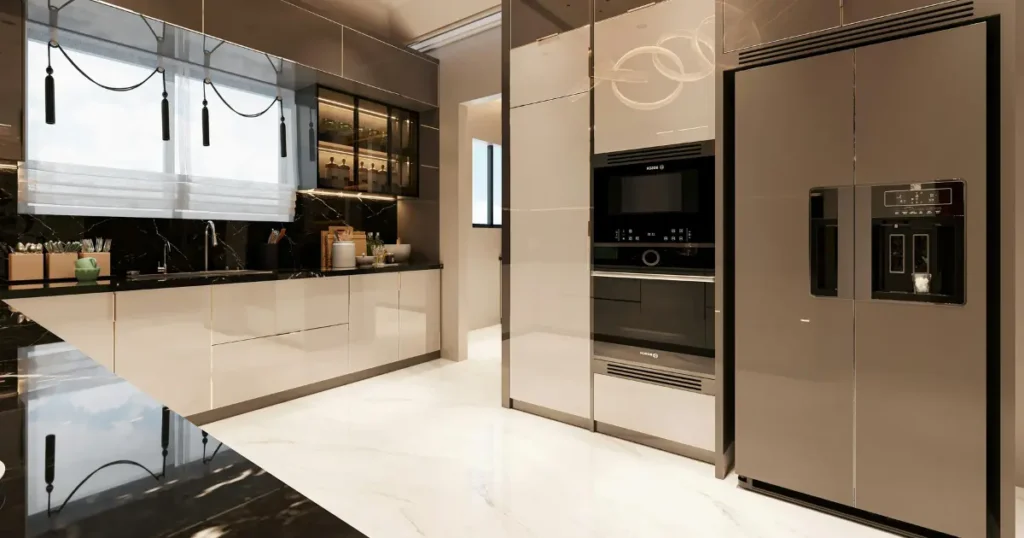
Because they are fixed in place, built-in appliances almost always require professional installation. A poorly fitted built-in unit will not only look out of place, it can also create ventilation problems or safety hazards. Common examples include built-in ovens, integrated fridge freezers, built-in dishwashers, integrated hobs, and built-in microwaves.
The defining characteristic of built-in appliances is their ability to disappear into your kitchen’s visual landscape. Homeowners who prioritise aesthetics, space efficiency, and long-term property value consistently gravitate toward this option. In 2026, with the rapid rise of smart and Wi-Fi-enabled appliances, built-in units are increasingly coming equipped with app control, voice assistant integration, and energy monitoring, all while maintaining that seamless, hidden-away look.
What Are Freestanding Appliances?
Freestanding appliances are self-contained, standalone units that sit on your kitchen floor or counter without any permanent attachment to your cabinetry or walls. They require no custom fitting, no carpentry work, and in most cases, nothing more than access to a power outlet and a water connection where needed.
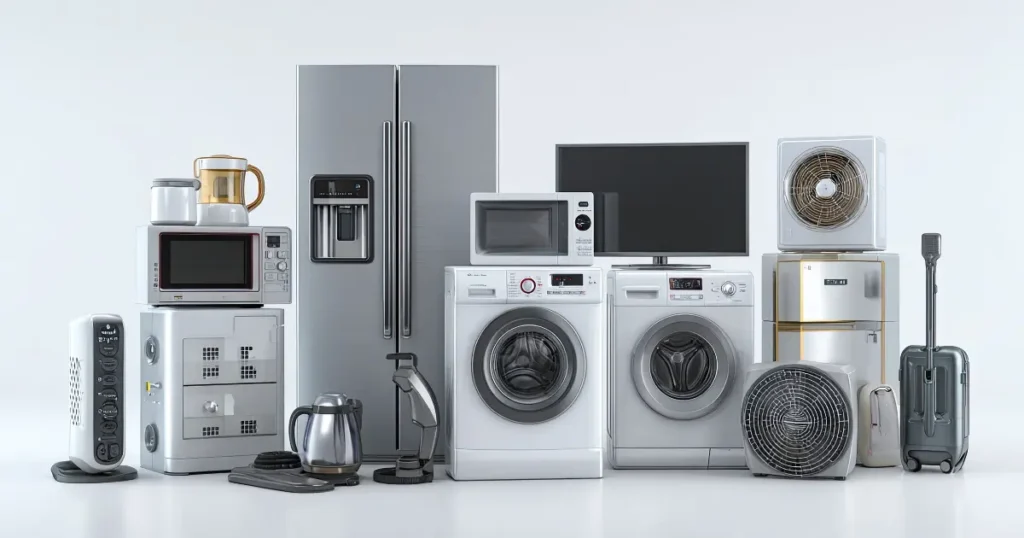
This makes freestanding appliances the faster, cheaper, and more flexible option particularly for renters, people who move frequently, or homeowners who want the freedom to rearrange their kitchen layout over time. Popular examples include freestanding refrigerators, freestanding ovens and cookers, freestanding washing machines, and freestanding dishwashers.
The major trade-off is visual cohesion. Freestanding appliances are standalone units with their own finished panels on all sides, which means they often stand out against surrounding cabinetry rather than blending into it. That said, freestanding models have come a long way in 2026, many now feature sleek, minimalist designs and updated EU energy labels that make it easier than ever to compare efficiency ratings before you buy.
Built-in vs. Freestanding Appliances: A Side-by-Side Comparison
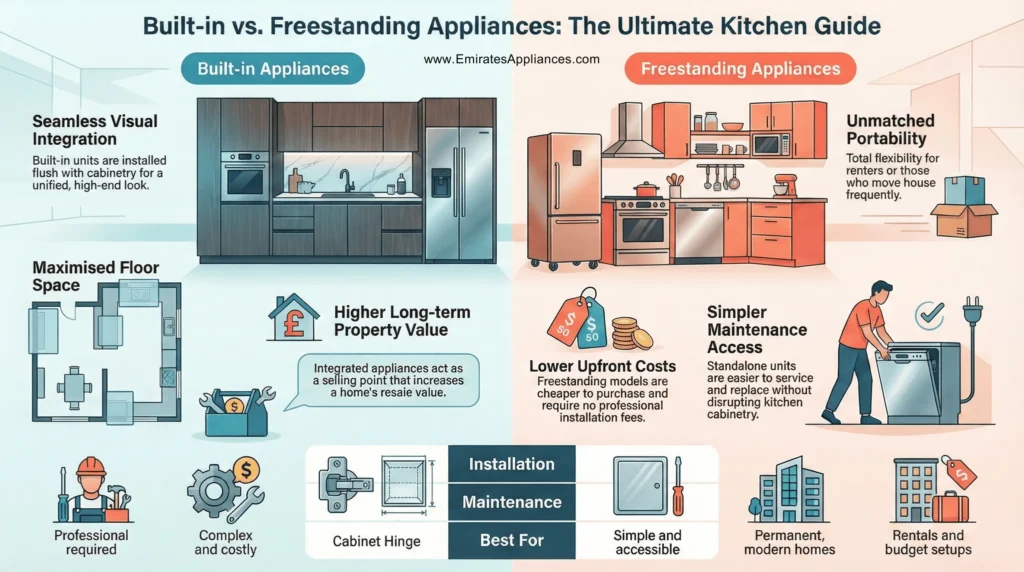
Understanding the key differences between these two types is essential before you commit to either path. Here is how they stack up across the factors that matter most:
| Factor | Built-in Appliances | Freestanding Appliances |
|---|---|---|
| Visual Design | Seamless; blends with cabinetry | Standalone; visually distinct |
| Space Efficiency | Integrates into walls or cabinets | Occupies additional floor space |
| Installation | Professional installation required | Plug-and-play; no specialist needed |
| Portability | Fixed in place; not easily moved | Portable; can be relocated freely |
| Upfront Cost | Higher (unit + installation labour) | Lower; more budget-friendly options |
| Long-term Value | Increases property resale value | Value depends on brand and condition |
| Maintenance | Repairs can be complex and costly | Easier to access; cheaper to service |
| Durability | Generally longer lifespan | Varies significantly by brand |
| Best For | Permanent homes; modern kitchens | Rentals; flexible or budget-conscious setups |
Appliance-by-Appliance Breakdown
The general principles above hold true across categories, but when it comes to built-in vs. freestanding appliances, each type has its own nuances worth understanding before you make your final decision.
Integrated vs. Freestanding Washing Machine
An integrated washing machine is housed behind a cabinet door, keeping your laundry area visually clean and consistent with the rest of your kitchen or utility room. The downside is that installation and repairs require a technician to work around the surrounding cabinetry, which adds time and cost.
A freestanding washing machine can be placed anywhere there is a water supply and a power source. It is significantly easier to install, cheaper to repair, and straightforward to replace if it breaks down or you move house. Go integrated if aesthetics are your priority. Go freestanding if portability and cost matter more.
Also Check Out: Top 10 Washing Machines in UAE
Built-in vs. Freestanding Refrigerator
A built-in refrigerator sits flush within your cabinetry, maximising usable kitchen space and creating a polished, architectural look. These units are purpose-built for fixed installations and are designed to integrate with specific cabinet dimensions.
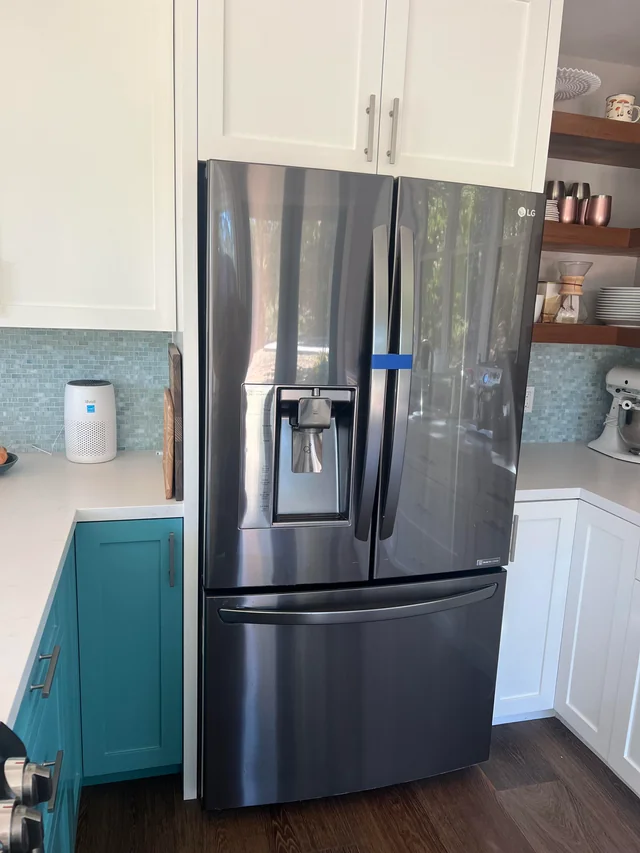
A freestanding refrigerator is more versatile. It can be repositioned, replaced without any carpentry, and is available at a much wider range of price points. Choose built-in if you are designing a permanent, design-focused kitchen. Choose freestanding if you rent or want maximum flexibility in your layout.
Also check out: Top 10 Fridges in UAE
Built-in vs. Freestanding Dishwasher
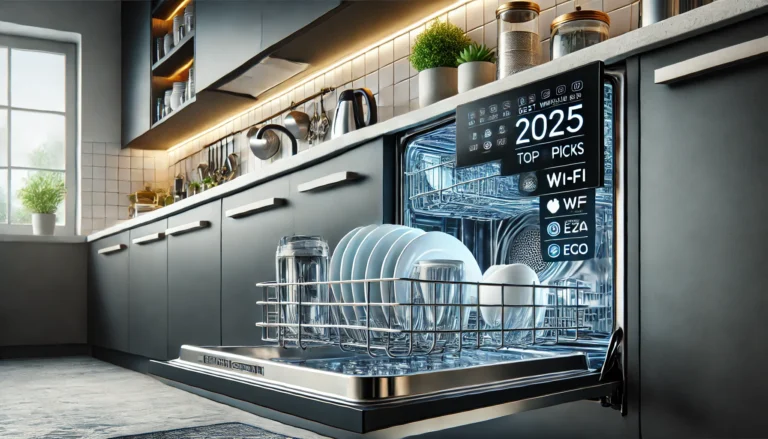
Built-in dishwashers integrate seamlessly behind a cabinet door, keeping them out of sight and maintaining a clean kitchen aesthetic. They are the standard choice in most modern kitchen designs. Freestanding dishwashers, on the other hand, are easier to install, simpler to service, and easier to replace, but they will be visible and may not match your surrounding units.
Built-in vs. Freestanding Oven
A built-in oven is installed within your kitchen’s wall or cabinetry at a height that suits your cooking habits, freeing up valuable counter and floor space. A freestanding oven is a self-contained unit that sits on the floor. It is cheaper to buy, easier to install, and can be taken with you if you move. For a permanent kitchen where space and design matter, built-in is the stronger option.
The Benefits of Built-in Appliances
- A cleaner, more cohesive aesthetic. Built-in appliances disappear into your kitchen’s design. There are no exposed sides, no gaps between units and cabinetry, and no visual clutter. The result is a kitchen that looks polished and well-planned.
- Maximised space. In kitchens where every square metre counts, built-in appliances are a clear advantage. By embedding units into walls and cabinets, you free up the floor space that freestanding appliances would otherwise consume.
- Increased property value. A kitchen fitted with high-quality integrated appliances is a genuine selling point. Prospective buyers consistently recognise built-in appliances as a sign of a well-designed, move-in-ready home, and property valuations reflect this. With open-plan kitchens remaining one of the most sought-after features in 2026, a cohesive, clutter-free appliance setup has never been more important to buyers.
- A custom fit. Built-in appliances can be specified to suit both standard and non-standard kitchen dimensions, offering a level of tailoring that freestanding units simply cannot match.
The Benefits of Freestanding Appliances
- Lower upfront cost. Freestanding appliances are almost always cheaper to buy, and they eliminate the cost of professional installation entirely. For budget-conscious buyers or anyone equipping a rental property, this is a significant advantage.
- Effortless installation. Most freestanding appliances require nothing more than plugging them in. No specialist, no carpentry, no waiting for a fitting appointment.
- Full flexibility. Need to rearrange your kitchen, move house, or upgrade a single appliance without disrupting the rest? Freestanding appliances make all of this simple.
- A wider range of options. The freestanding market is larger, which means more choice across brands, features, energy ratings, and price points. In 2026, many freestanding models also now come with smart connectivity built in, so you are not sacrificing technology by choosing a standalone unit.
Cost Comparison: Built-in vs. Freestanding Appliances
One of the biggest questions homeowners ask when weighing built-in vs. freestanding appliances is whether the integrated option is actually worth the extra spend. Here is how the costs compare across the full ownership journey:
| Cost Factor | Built-in Appliances | Freestanding Appliances |
|---|---|---|
| Purchase Price | Higher | Lower |
| Installation Cost | Significant | Minimal to zero |
| Long-term Property Value | Adds measurable value | Neutral |
| Repair & Maintenance | Can be expensive | Generally cheaper |
| Replacement Cost | Higher | Lower |
If you own your home and plan to stay, integrated appliances are almost certainly worth the investment. The aesthetic improvement is immediate, and the long-term boost to your property’s value will likely recoup a meaningful portion of the upfront cost when you sell. If you rent or are working with a tight budget, freestanding appliances deliver the same core functionality at a lower total cost.
Maintenance, Durability, and Lifespan
Maintenance is one of the most overlooked factors in the built-in vs. freestanding appliances debate, but it can make a significant difference to your long-term costs and convenience.
Built-in appliances can be more difficult and expensive to repair simply because accessing them often requires partially disassembling surrounding cabinetry. A technician working on a built-in dishwasher, for example, may need to remove the cabinet door and sometimes adjacent panels before they can even begin diagnosing the issue. This adds labour time and, consequently, cost. However, built-in appliances are generally engineered for greater longevity, a well-maintained built-in oven can comfortably last 15 to 20 years, and their fixed installation means they are less likely to suffer wear from being moved or repositioned.
Freestanding appliances are far easier to access and service. A technician can typically work on the unit in place without touching anything else in your kitchen. Parts are often more widely available and cheaper to source as well. If a unit fails beyond economical repair, replacing it is as simple as disconnecting the old one and positioning the new, no carpentry required, no downtime for your kitchen layout.
One important point worth noting: integrated appliances are designed and finished specifically for installation behind cabinet doors. Their rear panels, ventilation systems, and overall construction are calibrated for that environment. If you are ever tempted to use an integrated unit in a freestanding capacity, perhaps after a kitchen refit, it is worth consulting a qualified installer first. Doing so without guidance can compromise performance, expose unfinished panels, and in some cases create ventilation or safety concerns.
So Which Option Is Right for You?
If you have been going back and forth on built-in vs. freestanding appliances, the best choice comes down to four key factors. Your budget determines whether freestanding or built-in makes more financial sense in the short and long term. Your space dictates how much room you have to work with and whether integrated units would meaningfully improve your layout. Your lifestyle, whether you move often or plan to stay put shapes how much value portability and flexibility add. And your aesthetic priorities determine whether a seamless, design-forward kitchen is worth the extra investment.
There is no universal right answer. But armed with the information above, you are now in a strong position to make the choice that fits your kitchen, your budget, and your life. Whether you go fully integrated or stick with freestanding units, the good news is that in 2026, both options are smarter, more energy-efficient, and better designed than ever before.
Emirates Appliances: Your Trusted Partner in the UAE
Whether you are outfitting a brand-new kitchen or upgrading an existing one, Emirates Appliances stocks a comprehensive range of both built-in and freestanding appliances to suit every budget, space, and style. Our team can help you navigate the decision, recommend the right brands for your layout, and arrange professional installation where needed.
Get in touch today:
- Website: emiratesappliances.com
- Phone: +971 54 248 0378
- Email: emiratesappliances1@gmail.com
Build the kitchen you want — and let Emirates Appliances help you get there.
Frequently Asked Questions (FAQs)
1. Are built-in appliances more expensive than freestanding?
Yes, they cost more upfront due to the unit price and professional installation, but they add long-term value to your property.
2. Can integrated appliances be used as freestanding units?
No, because they are designed and finished specifically for cabinet installation, and using them freestanding can compromise performance and safety.
3. Which type of appliance is better for a small kitchen?
Built-in vs. freestanding appliances in a small kitchen — built-in is the better choice because it integrates into cabinetry and saves valuable floor space.
4. Are freestanding appliances easier to repair than built-in?
Yes, because they can be serviced in place without dismantling surrounding cabinetry, making repairs faster and cheaper.
5. Which option is better for renters — built-in or freestanding appliances?
Freestanding appliances are ideal for renters since they require no permanent installation and can be easily moved when you leave.