
How to Clean Stainless Steel Appliances (Complete Step-by-Step Guide)
Stainless steel appliances make your kitchen look modern and nice. But they get dirty fast with fingerprints and spots. Don’t worry! Keeping them shiny is easy when you know the right way. You just need simple things like a soft cloth and the right cleaner. This guide shows you exactly how to clean stainless steel appliances and keep them looking brand new.
Why Proper Cleaning of Stainless Steel Appliances Matters
Cleaning your appliances the right way is really important. Here’s why:
- Keep the shine: Regular cleaning keeps your fridge and stove looking bright and new
- Stop rust and stains: Cleaning removes dirt before it damages the metal
- Make appliances last longer: Taking care of them means they work better for many more years
When you don’t clean properly, dirt sits on the metal. Over time, this causes ugly stains that won’t come off.
Best Ways to Clean Stainless Steel Appliances
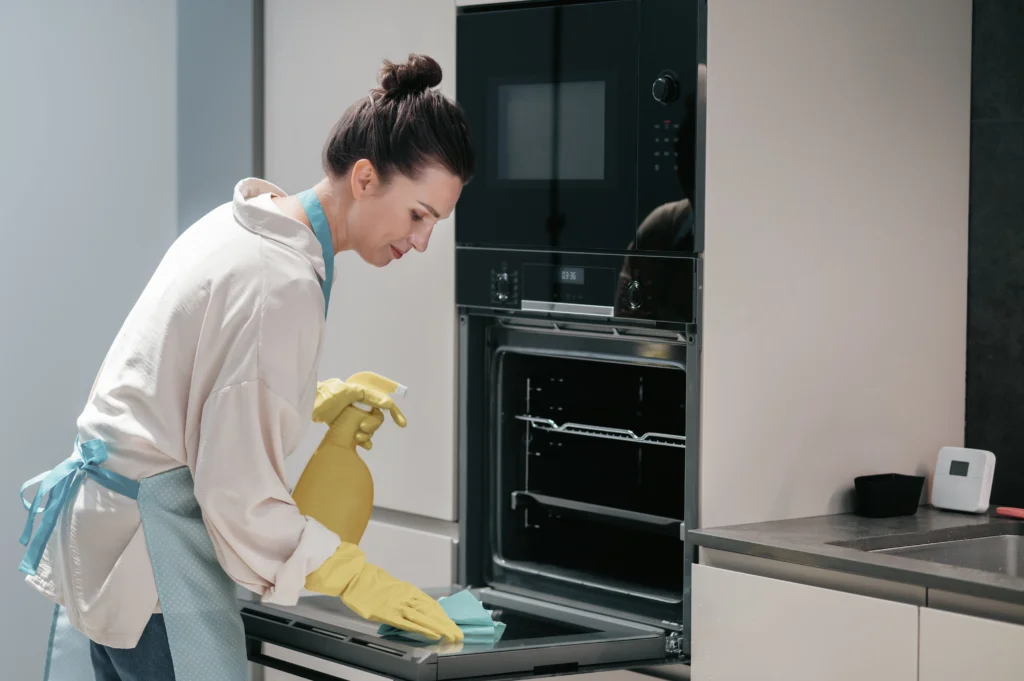
1. Cleaning with Warm Water and Mild Soap (Safest Method)
This is the easiest and safest way to clean every day.
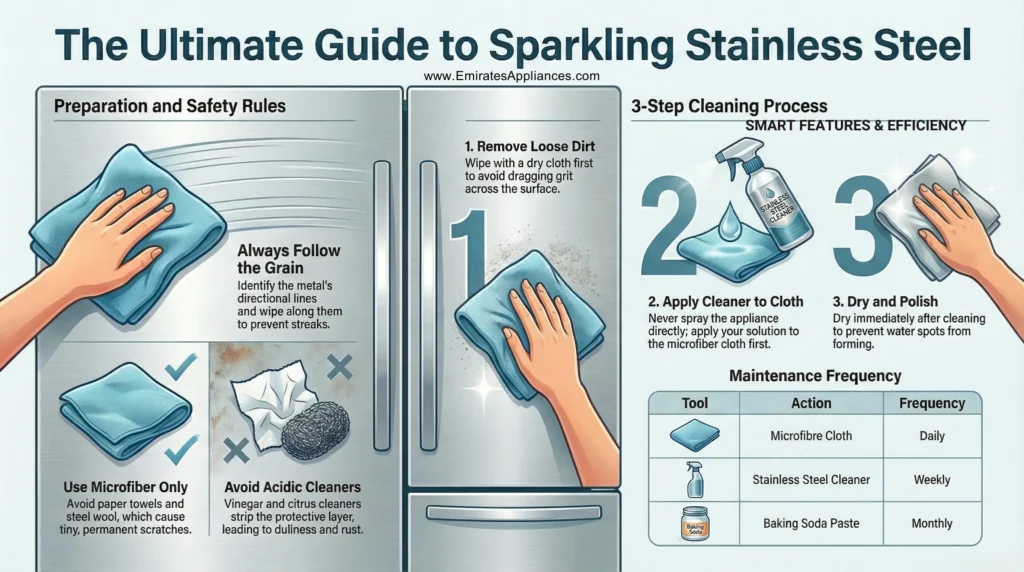
- Use a microfiber cloth: These soft cloths are perfect. They won’t scratch your appliances like paper towels do. Microfiber traps dirt and grease really well without leaving lint behind.
- Follow the grain: Look at your fridge or stove closely. You’ll see tiny lines going across or up and down. These are called grain lines. Always wipe the same way these lines go, not against them. This keeps your appliances from getting streaky.
- Dry it right away: After you wipe with a wet cloth, use a dry cloth immediately. This stops water spots from forming. Water spots happen when drops dry on their own and leave marks.
Here’s what to do: Mix a tiny bit of dish soap in warm water. Wet your cloth and squeeze out extra water. Wipe following those grain lines. Then rinse with plain water and dry.
2. Using a Stainless Steel Cleaner
Special cleaners work great for really dirty spots.
- When to use it: Use these cleaners when regular soap doesn’t work. They’re also great when you want extra shine for special occasions or when guests are coming over.
- How to apply it: Spray the cleaner on your cloth, not right on the appliance. Spraying on the cloth gives you better control. Then wipe in long strokes following the grain. Don’t spray too much or it gets wasteful.
- Follow the grain tip: If you wipe the wrong way, you’ll see streaks everywhere. Those streaks are hard to remove and need extra buffing.
Good cleaners also protect your appliances and keep fingerprints away longer. They leave a thin protective layer that makes next time easier.
3. Natural Cleaning Methods (Eco-Friendly Option)
You can clean without buying special products too!
- Baking soda paste: Mix 2 tablespoons of baking soda with 1 tablespoon of water. You’ll get a thick paste that looks like toothpaste. Put it on a damp cloth and rub gently on dirty spots in small circles. Let it sit for a minute if the stain is really bad. Then rinse with clean water and dry. This works great on stuck-on food and grease.
- Olive oil polishing: After cleaning, put 2 or 3 drops of olive oil on a clean, dry cloth. Rub it on your appliance following the grain in long smooth strokes. This makes it super shiny and creates a barrier against fingerprints! Don’t use too much or it gets sticky and attracts dust.
- Club soda method: Put club soda in a spray bottle. Spray a little bit on the surface and wipe fast with a microfiber cloth. The bubbles in club soda help lift water spots and light dirt. This is perfect for quick cleaning between big cleans when you just need a fast touch-up.
Also Check Out: How to Clean a Washing Machine
How to Remove Fingerprints from Stainless Steel Appliances
Fingerprints are the biggest problem with stainless steel. Kids touch the fridge, you open the dishwasher, and suddenly prints are everywhere!
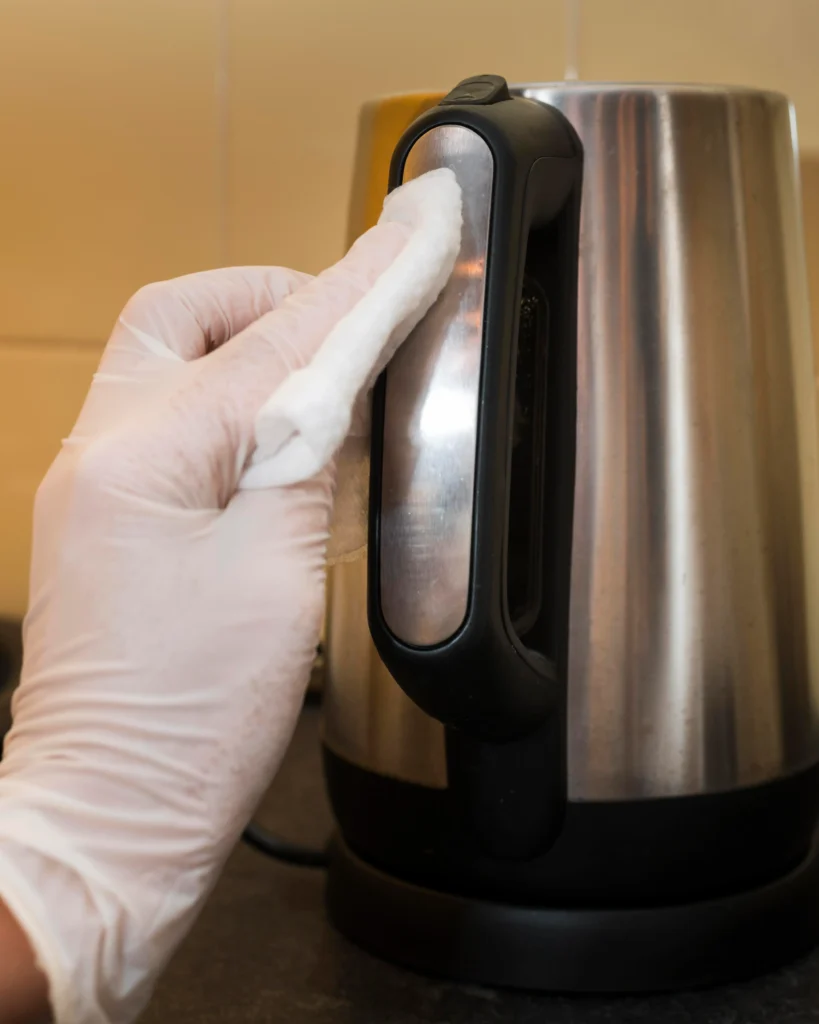
- Soap and water method: For new fingerprints, warm soapy water works fine. The soap breaks down the oils from your fingers. Wipe with the grain and dry completely. Fresh fingerprints come off easily this way.
- Microfiber polishing: After cleaning, use a completely dry microfiber cloth to rub the surface in circular motions. This removes any leftover water drops and makes it shinier. It also buffs away any faint marks left behind.
- Fingerprint-resistant finish care: Some new appliances have special coatings that stop fingerprints from showing up as much. These only need water and a soft cloth. Strong cleaners can damage this coating and remove the protection, so be careful. Check your appliance manual to see if yours has this coating.
For stubborn marks that won’t go away, put a tiny bit of mineral oil or stainless steel polish on your cloth and rub following the grain. This usually removes even the toughest prints.
How to Clean Black Stainless Steel Appliances
Black stainless steel needs gentler care than regular silver stainless steel.
Special care instructions: This dark finish is actually a coating painted over regular stainless steel. Only use mild dish soap and water with soft cloths. Scrubbing too hard or using rough materials can rub away the coating forever. Once it’s damaged, you can’t fix it.
What to avoid: Don’t use abrasive cleaners, regular stainless steel polish, or cleaners with ammonia in them. These will make dull spots or remove the black color completely. Just use gentle wipes and dry right away every time. Less is more with black stainless steel.
Try any new cleaner on a hidden spot first (like the side or back) to make sure it’s safe before using it on the front where everyone can see.
Also Check Out: How to Clean a Microwave
What NOT to Use on Stainless Steel
Stay away from these things that damage your appliances:
- Vinegar: Many people think vinegar cleans everything, but it’s too acidic for stainless steel. It eats away at the protective layer and makes the finish dull over time.
- Citrus cleaners – Lemon and orange cleaners smell nice but contain acids that damage the metal’s protective coating.
- Steel wool: Metal scrubbers and rough pads make deep scratches that never go away. These scratches trap bacteria and look terrible.
- Harsh chemicals: Bleach, ammonia, and chlorine-based cleaners cause permanent spots, discoloration, and pitting in the metal.
- Paper towels: These seem convenient but they leave fuzz everywhere and create tiny scratches you can’t see right away. Always use microfiber cloths instead.
Using wrong cleaners can break your warranty and make your appliances look bad forever. Stick with safe, gentle products.
Step-by-Step Cleaning Instructions
Follow these detailed steps for perfect cleaning every time.
Step 1: Find the Grain
Look closely at your appliance in good light. You’ll see tiny parallel lines going one direction – either left to right (horizontal) or up and down (vertical). These grain lines are like the grain in wood. Run your finger gently across the surface and you can actually feel them. Remember which way they go because all your wiping should follow this same direction.
Step 2: Remove Loose Dirt
Before you use any water or cleaner, take a completely dry microfiber cloth. Wipe the entire surface to remove dust, crumbs, and loose dirt. This is important! If you skip this step and wipe with a wet cloth, you’ll drag that dirt around and it can scratch the surface. Pay extra attention to corners and handles where dirt builds up.
Step 3: Apply Your Cleaner
Now pick your cleaning method – soapy water, store-bought stainless steel cleaner, or natural solution like baking soda paste.
- If using soap: Mix just a few drops of dish soap in a bowl of warm water. Dip your microfiber cloth in and wring it out really well. The cloth should be damp, not dripping wet.
- If using store cleaner: Spray 3-4 times onto your cloth, not directly on the appliance.
- If using baking soda paste: Put a small amount on your damp cloth.
Now wipe the whole surface working in sections. Start at the top and work down. Wipe in long, smooth strokes following the grain direction. Don’t scrub in circles or back and forth against the grain. For tough spots, wipe over them a few extra times with gentle pressure.
Step 4: Dry and Polish
This is the most important step! Take a completely clean, dry microfiber cloth. Wipe the entire surface right away to remove all water. Don’t let it air dry or you’ll get water spots. Use long strokes following the grain.
For extra shine, take a third clean, dry cloth and buff the surface gently in the direction of the grain. You can also put 1-2 drops of olive oil or a small amount of stainless steel polish on this cloth. Buff until you see a beautiful, streak-free shine. Stand back and admire your work!
| Tool | What It Does | How Often |
|---|---|---|
| Microfiber cloth (wet) | Cleans dirt and grease | Every day or when needed |
| Microfiber cloth (dry) | Dries and shines | After each cleaning |
| Stainless steel cleaner | Deep cleaning and protection | Once a week |
| Baking soda paste | Removes tough stains | Once a month or when needed |
Pro Maintenance Tips to Keep Stainless Steel Shiny
Use these easy habits to keep your appliances looking great with less effort.
- Weekly wipe routine: Pick one day each week (like Sunday) and spend just five minutes wiping down all your stainless steel appliances. Doing it regularly means dirt doesn’t build up, so you never need to scrub hard. Make it a quick habit like brushing your teeth.
- Clean spills right away: When something splashes on your fridge or stove, wipe it up immediately with a damp cloth. Don’t wait until later. Foods like tomato sauce, juice, and coffee can stain the metal if you leave them sitting for hours. Quick wipes now save you from hard scrubbing later.
- Use appliance polish: Good quality appliance polish or stainless steel polish creates an invisible protective shield. This shield stops water, cooking oil, and fingerprints from sticking as much. Apply it once a month right after you do your weekly deep cleaning. It makes your next cleaning session much faster and easier.
Keep a dedicated microfiber cloth hanging near your kitchen sink or stove. This makes it super easy to do quick daily touch-ups whenever you see a fingerprint or small spot.
Shop Premium Stainless Steel Appliances at Emirates Appliances
Want new appliances that stay cleaner longer and look amazing? When you shop premium stainless steel appliances at Emirates Appliances, you get high-quality fridges, dishwashers, ovens, and stoves. These have special fingerprint-resistant finishes that keep their shine with way less work. You’ll spend less time cleaning and more time enjoying your beautiful kitchen. Check out all the best options and find the perfect appliances for your home today!
Conclusion
Knowing how to clean stainless steel appliances is easy once you learn the right steps. Just remember to always wipe with the grain, use soft microfiber cloths, and dry everything right away to prevent water spots.
Whether you use simple soap and water, natural baking soda paste, or special cleaners, your appliances will stay shiny and beautiful. Start cleaning the smart way today and enjoy a sparkling kitchen that looks brand new every single day!
FAQs:
Does vinegar damage stainless steel?
Yes, vinegar is too acidic and can ruin the protective coating and cause spots with repeated use.
How often should I clean stainless steel appliances?
Wipe fingerprints every day and do a thorough cleaning with proper products once a week.
How do you restore shine?
Clean thoroughly, dry completely, then buff with stainless steel polish or a drop of olive oil following the grain.
Can I use glass cleaner?
No, glass cleaner contains ammonia which damages and discolors stainless steel finishes.
Will olive oil remove scratches?
No, but it can hide light scratches temporarily by filling them in while making the surface shiny.